
OUR WORK IN ACTION: IMPACT AND UPDATES
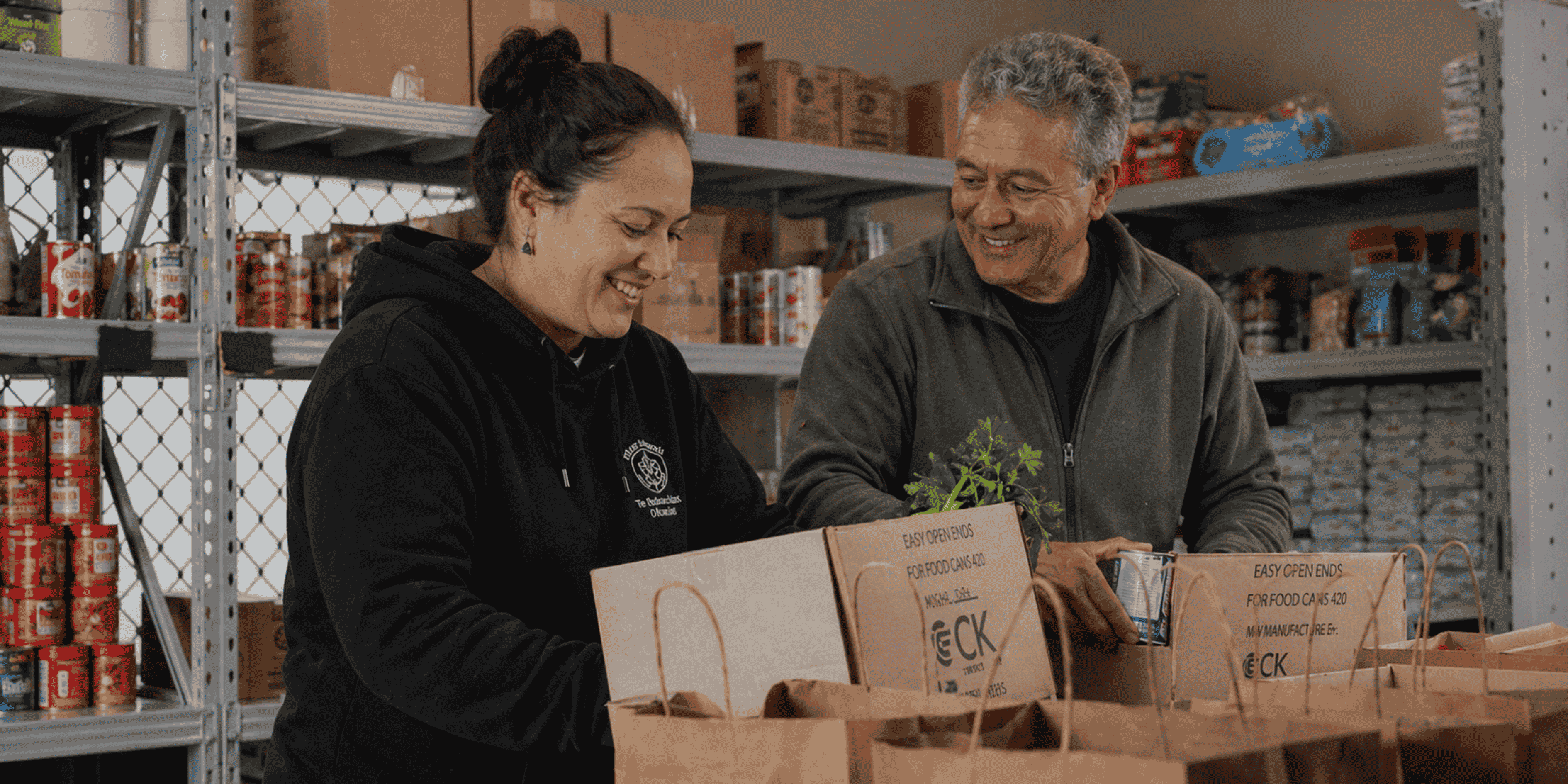
Wild Game Recovery Trust introduces...
Game Changer NZ, a programme of the Wild Game Recovery Trust, is launching a practical new way for communities to fund the butchering of donated wild game for their chosen food bank.
Across Aotearoa, wild deer and other introduced game animals are putting pressure on native ecosystems, farms, and rural landscapes. At the same time, food banks are seeing real demand for good-quality protein. Game Changer NZ connects those two issues with one simple idea: donors choose the food bank they want to support, their donation funds the processing costs for that food bank, hunters donate the animals, butchers prepare the meat, and the food bank distributes it to people who need it.
Sarah Gagliardi, General Manager of the Wild Game Recovery Trust, says the programme is built around transparency and direct impact.
“People want to know where their donation is going, and Game Changer NZ makes that really clear. You choose the food bank you want to support, donate directly to that food bank on the Game Changer NZ website, and see the progress towards funding their next deer. Once $120 is raised, that money covers the cost of the butcher, which means a donated deer can be prepared and delivered back to that food bank as quality protein.”
Turning Wild Game Meat Into a Community Food Solution
Game Changer NZ has been designed to be hyper-local. Each participating food bank has its own donation page, where the community can help fund the cost of butchering one animal at a time for that specific food bank. Once the target is reached, Game Changer NZ works with hunters in that district to see who is available to hunt, and the donated animal is taken to a local butcher.
Each deer costs approximately $120 to butcher, turning a donated wild animal into around 200 protein meals, based on a 25kg yield.
“The amazing thing about this model is how achievable it is,” says Gagliardi. “A few mates, a workplace, a sports club, or a local community group could come together and fund the butchering of a whole deer for their chosen food bank. That $120 can provide around 200 protein meals, which is a huge impact from one really practical donation.”
Game Changer NZ is supporting 112 food banks across New Zealand with a reliable, practical pathway for donated game meat.
Safe, Traceable and Built for Real-World Hunting
Game Changer NZ uses the Game Animal Council’s Hunt and Share platform to support food safety and traceability.
Hunters who want to participate complete a short knowledge check through Hunt and Share, covering basic food safety, handling expectations, and poison zone awareness. On average, it takes a hunter about two to three minutes to complete. When a hunter donates an animal, they log the donation through the platform, including the hunt location, poison zone and buffer zone checks, and approximate yield. Once the animal is logged, the platform generates a batch ID for traceability.
That batch ID follows the animal through to the butcher and onto the packaged meat, giving food banks clear traceability around where the meat has come from.
"We are seeing double-income households needing support because one big bill is enough to knock them over. Elderly people are seeking more help, solo parents are under huge pressure, and one in five children are food insecure. Game meat is a powerful, practical way to get high-quality protein into food parcels and onto the tables of people who need it.
SARAH GAGLIARDI - GENERAL MANAGER OF WILD GAME RECOVERY TRUST
.png)
A Practical Response to Food Insecurity
For food banks, protein is one of the most valuable and often most difficult food items to source. Venison offers a lean, nutritious option that can help turn food parcels into more complete meals.
“Food banks tell us protein is one of the hardest things to access, and when they do source it, they often have to buy it themselves using already stretched funds,” says Gagliardi. “Game Changer NZ helps take that pressure off by giving communities a way to fund the butchering, so food banks can receive quality venison without having to carry that cost themselves.”
Game Changer NZ is working with a national network of food banks, including large urban providers, rural food banks, marae-based services, food kitchens, and community organisations. Many of these organisations are already supporting growing numbers of people through food parcels, wraparound services, budgeting support, social support, and emergency assistance.
The programme also works alongside The Salvation Army New Zealand, with Game Changer NZ supplying game meat to 61 of their food banks across the country.
Making Better Use of What is Already There
New Zealand has an abundant wild game population in the environment, and hunters across the country are already looking for practical ways to help. Game Changer NZ creates a way for that meat to be safely donated, butchered, packaged, and delivered to food banks rather than going to waste.
From a conservation perspective, this work matters because New Zealand has two issues sitting side by side. Introduced game animals put pressure on native habitats, farmland, and conservation land, while many communities are struggling to access affordable, nutritious food. Game Changer NZ helps connect those two issues by turning harvested wild game into high-quality protein for food banks.
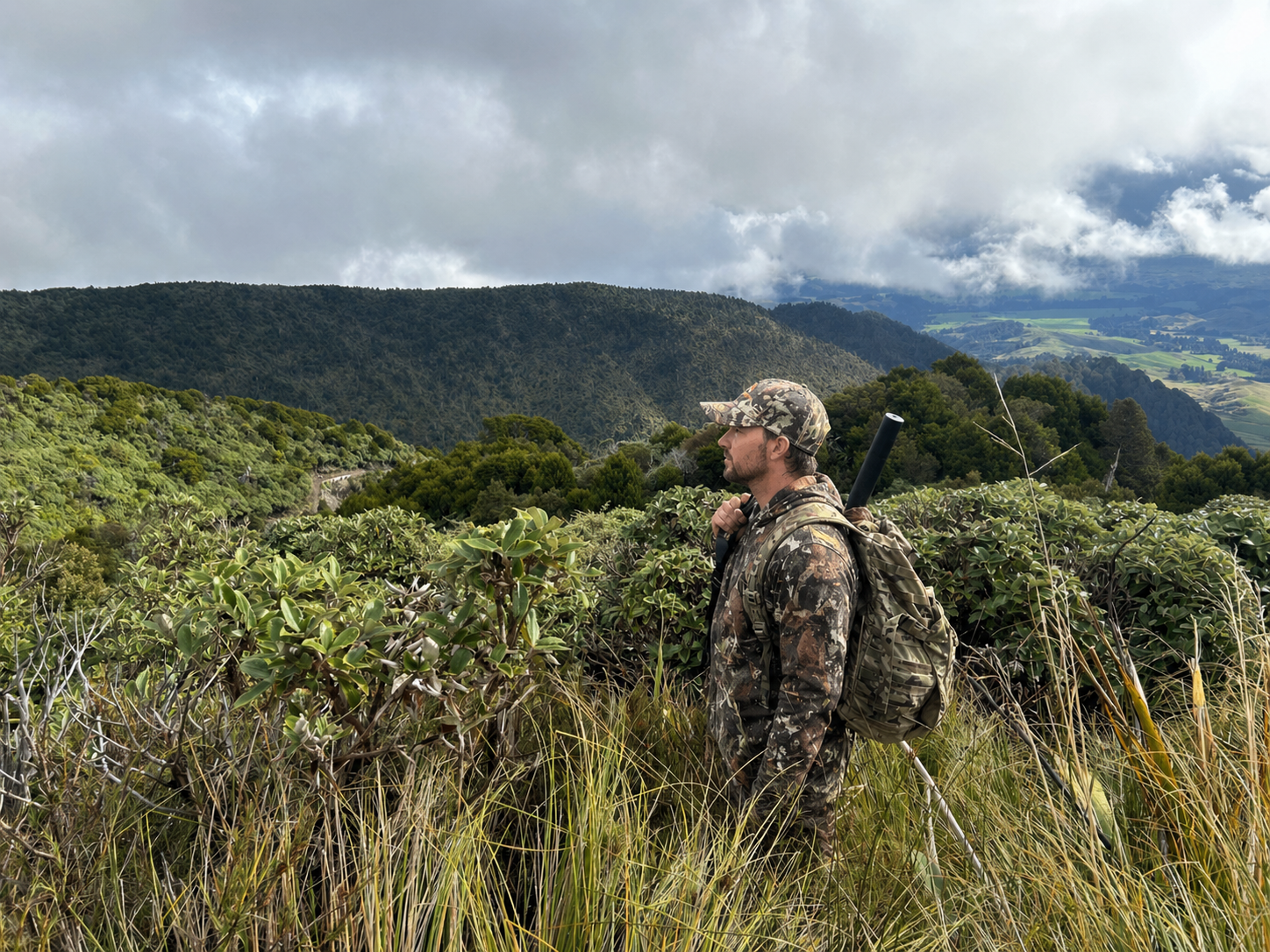
How Do I Help Fund a Deer?
You can help fund a deer by donating through the Game Changer NZ website: gamechanger.wgrt.org.nz
On the website, each participating food bank has its own page. You can choose the food bank you want to support, make a donation towards their butchering costs, and help turn a donated deer into quality meat for that community.
It costs $120 to process one donated deer, so just a few people chipping in together can help cover the processing cost. Once funded, the deer hunted and is professionally butchered, packed, and supplied directly to the chosen food bank to distribute to people who need it.
How Can Hunters Get Involved?
If you are a hunter and want to get involved, head to gamechanger.wgrt.org.nz/hunters and fill out the hunter form. The process is really simple and will show you exactly what you need to do next.
From there, you will need to enrol in Hunt & Share and complete the two minute knowledge check. Once that is done, we will be able to see you have completed it, and you will be registered as a Game Changer NZ hunter.
When enough has been raised to butcher a deer for a food bank in your area, we will get in touch directly, check your availability, and coordinate the process with you.
More About Game Changer NZ
Game Changer NZ is a programme of the Wild Game Recovery Trust. It connects hunters, butchers, food banks, and local donors to turn donated wild game into nutritious meat for communities facing food insecurity. Through local fundraising, food safety checks, traceability systems, and community partnerships, the programme helps ensure quality wild game meat can be safely donated and distributed through food banks across Aotearoa.
To learn more or register your interest, visit gamechanger.wgrt.org.nz
.png)