OUR WORK IN ACTION: IMPACT AND UPDATES
.png)
Turning a National conservation Challenge into a Community food Solution
In May 2025, a new national charity took shape with a bold vision: a New Zealand where wild animals are well managed, and hunters play a vital role in feeding their communities.
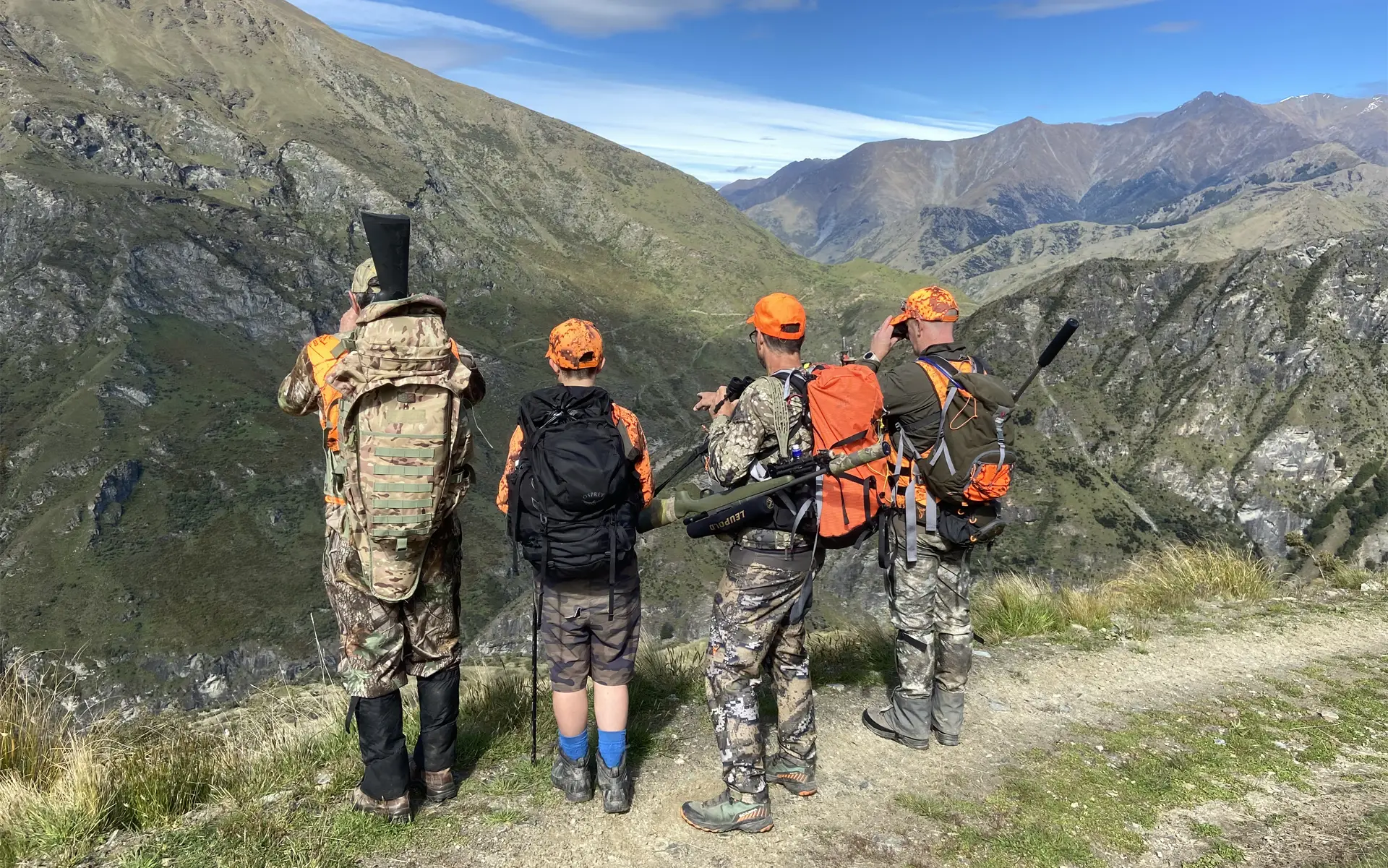
The Wild Game Recovery Trust (WGRT) exists to tackle two pressing realities head-on: the unchecked rise of wild animal populations across New Zealand, and the growing strain of food insecurity facing families nationwide.Hunters are already out there doing what they love.
The Trust’s role is to make sure that effort goes even further — backing hunters to manage wild animal numbers while getting quality protein into food banks.“This is hunting turned into community impact,” says founder Wayne Langford. “Hunters are skilled and passionate about what they do. This Trust is about backing them with the funding, resources, and infrastructure to turn that skill into something bigger — reducing wild animal pressure on the environment and putting food on the table for families.”
The Pressure is Rising
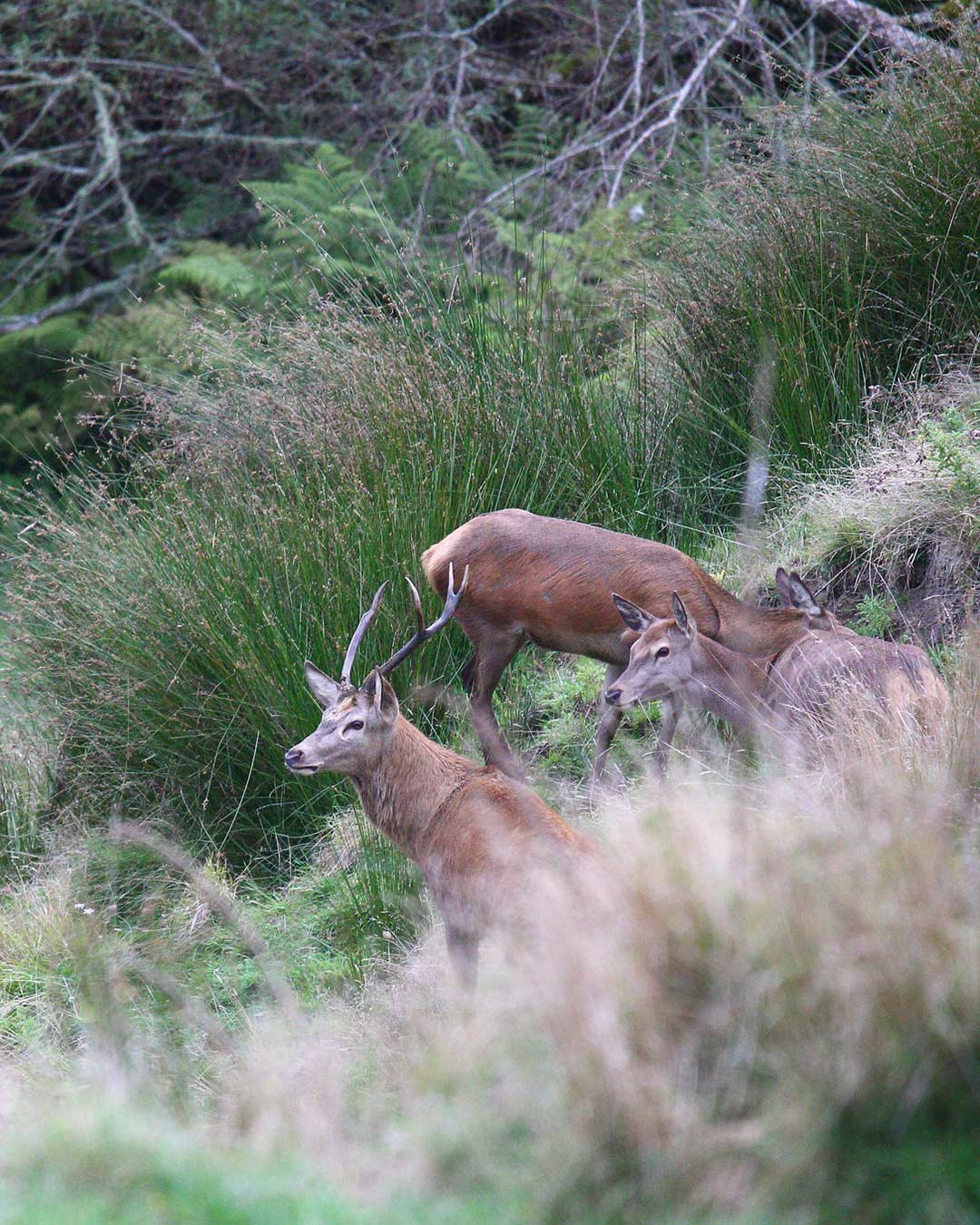
Wild animal numbers have nearly doubled in the past decade, causing significant destruction to conservation land, forestry, and farmland. The ecological cost is huge: erosion, biodiversity loss, and the destruction of native habitats and species. For farmland, it’s estimated that wild animals cause around $213 million in damage every year. Currently, the problem isn’t being managed well enough — and that’s where harnessing the skills of hunting groups becomes critical to keeping wild animal numbers under control.
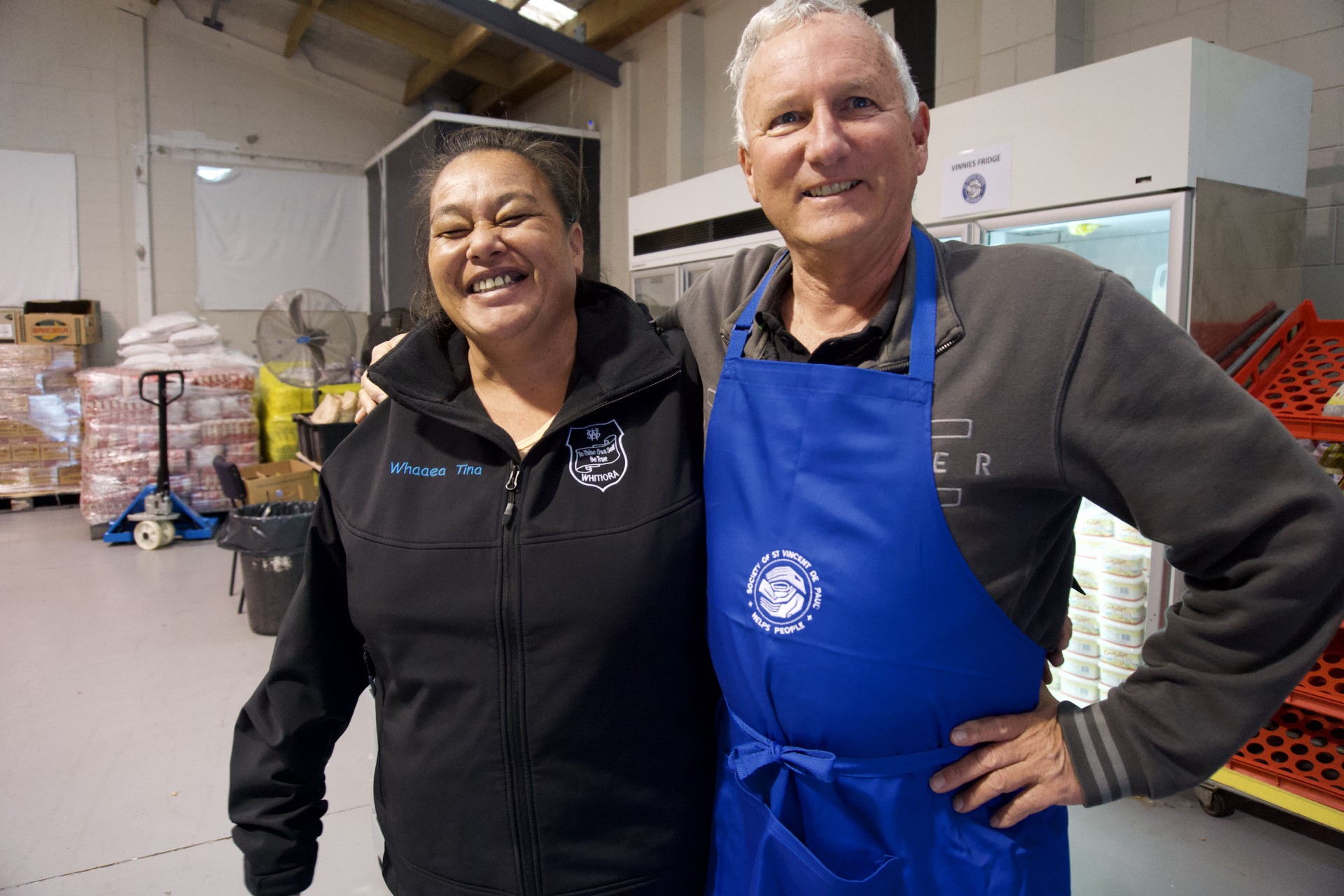
“At the same time,” says Sarah Gagliardi, General Manager of WGRT, “14% of New Zealand households are now food insecure. Protein is one of the hardest items for food banks to source, and as the cost of living continues to rise, more and more families are going without it.”
She adds, “Those accessing food support include seniors on fixed incomes, single-parent households, and an increasing number of employed people struggling to make ends meet — even double-income households. With the continued cost of living and rising unemployment rates, it doesn’t take much for a family to need help. Imagine trying to stay afloat, then being hit with a couple of unexpected bills at once — like a root canal and the car breaking down — that tips things over the edge for many families. Too often, the first thing people go without is protein, or food altogether.”
"We can let deer numbers spiral out of control, or we can harvest this valuable resource for good - protecting our farms and forests, while filling the bellies of whānau across NZ."
WANYE LANGFORD - FOUNDER
Why Most Wild Game Never Makes It to Food Banks
Every year, with all the animals that are culled across the country, most of that potential food never makes it beyond the hills.
The reason? Compliance requirements, cost, limited resources, and logistics. Hunting groups simply don’t have the funding or resourcing to chill and process game meat at scale, or to meet the practical requirements that would allow it to be distributed safely to food banks. Without the funding and infrastructure to support this, much of the meat simply can’t make it from the bush to the community.
“We’ve spoken to dozens of hunting groups up and down the country, and many of them have a real desire to do more with their hunts — to support their communities,” says Wayne Langford. “These groups want to contribute further, but a lack of resourcing and infrastructure limits what they can achieve. If they had the right support, their commitment could translate directly into food on tables and meaningful community impact.”
The Wild Game Recovery Trust was built to change that story.
Building the Missing Pathway
The Trust works behind the scenes, partnering with hunting groups to provide the support and systems hunters need to make a real impact. It’s practical, hands-on backing for hunters already doing the hard work.
“Hunting groups need access to resources to make this possible,” says Gagliardi. “That means chillers, butchering support, guidance on food safety compliance, help with operational costs, food bank relationships — and more. We provide that practical support so hunters can keep doing what they love while helping their communities.”
At present, only a small amount of wild game reaches food banks each year, thanks to a handful of dedicated groups. With the Trust in place, the amount of wild game reaching food banks can grow exponentially, providing many more families with high-quality protein.
So How Does it Work?
WGRT partners with existing hunting groups, learning what they want to achieve and identifying what’s needed to make it possible. If the alignment is right, WGRT helps ensure the right support is in place — so hunters can both manage wild animal populations and ensure their harvested game is processed and delivered safely to local food banks.
The Trust has founding support from the Department of Conservation (DOC) and established relationships with the Ministry for Primary Industries (MPI) and the Game Animal Council, aligning its work with national conservation and food recovery priorities.
Pilot Recoveries and National Expansion
Pilot recoveries are already underway, and expressions of interest are now open to hunting groups, processors, and community partners who want to be part of the initiative.
Food banks across the country are thrilled about the idea of receiving wild-harvested game meat, recognising its potential to provide high-quality, sustainable protein for local families.
“It’s an incredible opportunity — healthy, local meat that supports both people and conservation. Our clients will benefit in a very real way,” says one Canterbury food bank coordinator.
An Invitation to Hunters
WGRT is reaching out to hunting groups across the country to build relationships and understand how they operate, with a strong interest in groups based in Canterbury, Nelson/Tasman, Waikato, Taranaki, and Auckland. Every group faces different challenges and some are already supplying food banks, while others are just beginning to explore the idea. By working closely with these groups, WGRT provides the support they need to maximise their impact.
“We’re not here to tell hunters how to hunt,” Langford says. “We’re here to back them.”
The Bigger Picture
The Trust is more than a new organisation — it’s a statement about the kind of solutions New Zealand needs right now: collaborative, grounded, and practical. Hunters, farmers, food banks, and conservationists all have a stake in it. The Wild Game Recovery Trust is a national answer to two national challenges — aiming to make a lasting impact on both conservation and food security.
To learn more or register your interest, visit wgrt.org.nz